
Homogenizers in the Dairy Industry
Homogenization is a crucial process in the dairy industry, and homogenizers are one of the most essential machines used in the production of dairy products. This process breaks down fat globules and other components in milk into smaller particles, ensuring a uniform texture, improved taste, and extended shelf life of the final product.
Applications of Homogenizers
Homogenization is widely used in the dairy sector for producing various products, including:
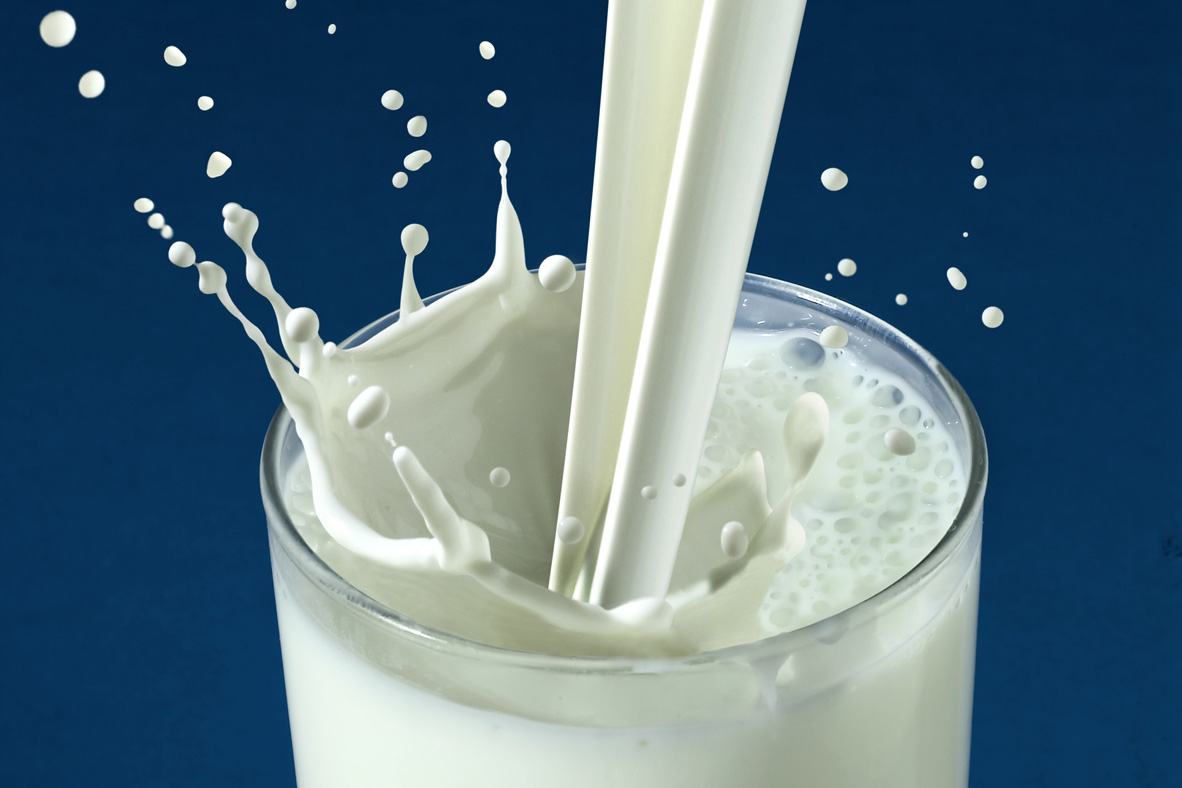
Homogenized Milk
Prevents fat separation and provides a smooth, consistent texture.
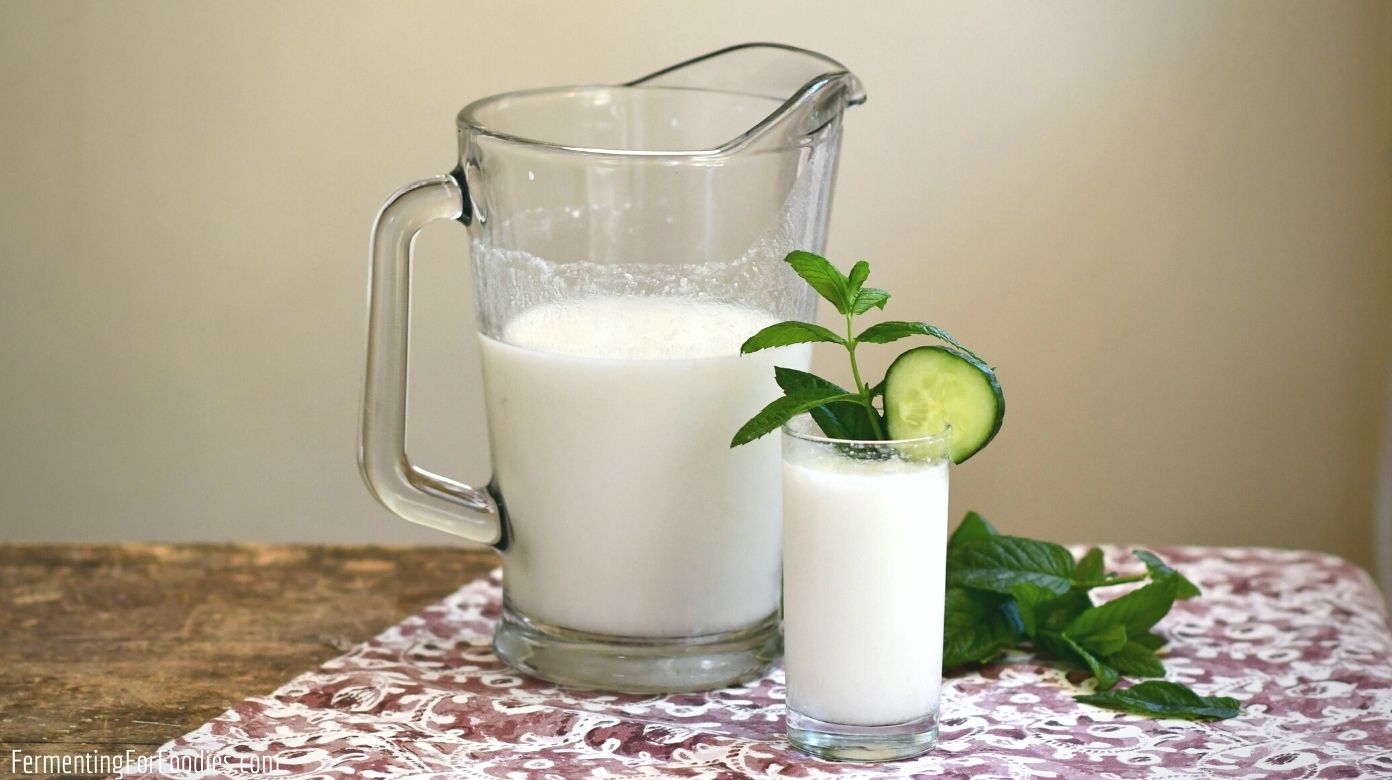
Yogurt and Ayran
Ensures a uniform consistency and prevent fat separation in fermented dairy products.

Cream and Butter
Enhances texture and improves the shelf life of fat-based dairy products.
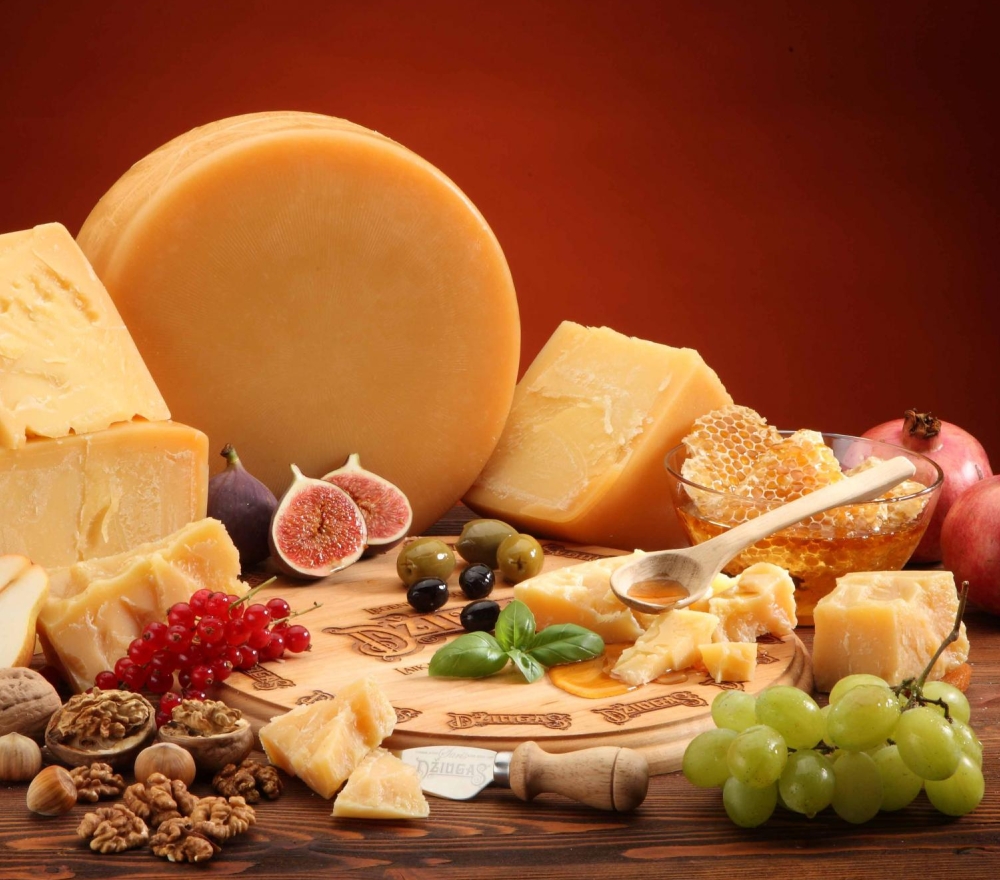
Cheese Production
Helps achieve a suitable texture in processed cheeses.
Homogenizers for Dairy Processing
Advantages of Using a Homogenizer
- Improved Texture & Taste: Homogenization delivers smoother products with a more uniform flavor.
- Extended Shelf Life: Smaller fat globules improve emulsion stability and storage life.
- Prevents Fat Separation: Ensures a consistent appearance over the product’s shelf life.
- Better Digestibility: Finer dispersion can aid mouthfeel and perceived digestibility.
How a Homogenizer Works
Homogenizers force milk through very fine gaps at high pressure, creating intense shear that breaks fat globules into much smaller, more uniform particles. This prevents creaming and yields a stable, consistent product.
Types of Homogenization Machines
- High-Pressure Homogenizers: The industry standard for large-scale dairy lines; achieve very fine droplet sizes at elevated pressures.
- Ultrasonic Homogenizers: Use acoustic energy to disperse particles with precise control; useful for R&D and specialty products.
Additional Considerations for Dairy Processing
- Energy Efficiency: Modern designs reduce power per liter while maintaining target droplet sizes.
- Hygienic Design: Sanitary materials, CIP/SIP compatibility, and EHEDG/3-A style practices support food safety.
- Process Customization: Adjustable pressure/valve geometry to match different dairy products and textures.
Conclusion
Homogenization is a cornerstone of dairy processing—boosting quality, uniformity, and consumer appeal while enhancing manufacturing efficiency. Investing in modern systems helps producers deliver premium dairy with improved texture, taste, and shelf life.