
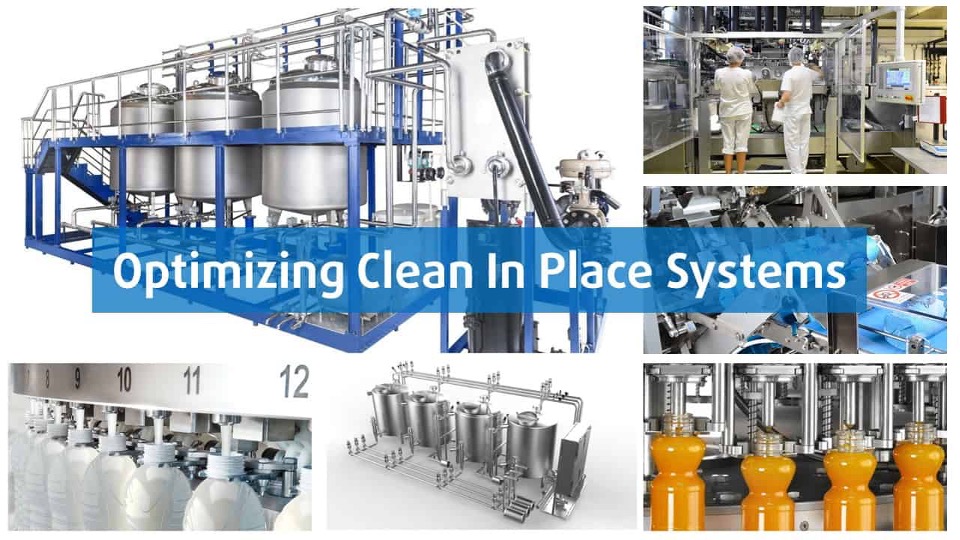
How to Optimize Your CIP (Clean-in-Place) System for Better Hygiene and Lower Costs
In the food, dairy, and beverage industries, hygiene is crucial not only for maintaining product quality but also for complying with strict safety and regulatory standards. One of the most effective ways to ensure sanitation is through the Clean-in-Place (CIP) system. However, while CIP systems are designed to automatically clean and disinfect equipment without disassembling it, there are several ways to optimize the process for better hygiene and cost efficiency.
1. Monitor and Control Chemical Use
Chemicals are essential for effective cleaning, but improper use increases costs. Monitor chemical concentration and adjust it based on the manufacturer’s guidelines.
2. Optimize Water Usage
Water consumption in CIP systems can be costly. Modern systems allow water reuse, improving efficiency.
3. Regularly Maintain and Calibrate Your CIP System
Build-up from cleaning agents can affect performance. Maintenance ensures proper flow, chemical use, and system pressure.
4. Optimize Cleaning Cycles for Efficiency
Each cleaning phase should be efficient. Overuse of time, chemicals, or water increases costs without improving hygiene.
5. Integrate IoT for Real-Time Monitoring and Control
IoT sensors allow for tracking water temperature, pressure, and flow — key indicators of system health.
6. Train and Educate Your Team
Operator knowledge is crucial for CIP success. Training prevents misuse and improves efficiency.
7. Track and Analyze Data for Continuous Improvement
CIP systems generate data that can improve cleaning efficiency and reduce costs when properly analyzed.
Conclusion
Optimizing your CIP system enhances hygiene, cuts costs, and improves performance. Through monitoring, water conservation, maintenance, and digital technologies, your facility can meet safety standards while operating more efficiently.
🎥 Related YouTube Videos
1. The Future of Clean-in-Place (CIP) Optimization
2. Clean-in-Place (CIP) Process Optimization - Use Case Demo
3. 5 Steps in a Common Food, Dairy, & Beverage CIP Cycle
4. Clean-in-Place (CIP) Best Practice
5. Performance Optimization of a Clean-in-Place Unit
6. Optimizing Beverage Production with Advanced CIP
7. CIP Solutions - Boost PHE Uptime & Cut Costs