
Scraped Surcafe Heat Exchangers
Scraped-Surface Heat Exchangers (SSHE) are essential equipment in the dairy industry, used for processing products with high viscosity and heat sensitivity. These machines are designed to maintain product quality and prevent material from sticking to the surface of the exchanger.
Applications in the Dairy Industry

Processing High Viscosity
Dairy Products
Homogenizing and improving the texture of fermented dairy products.
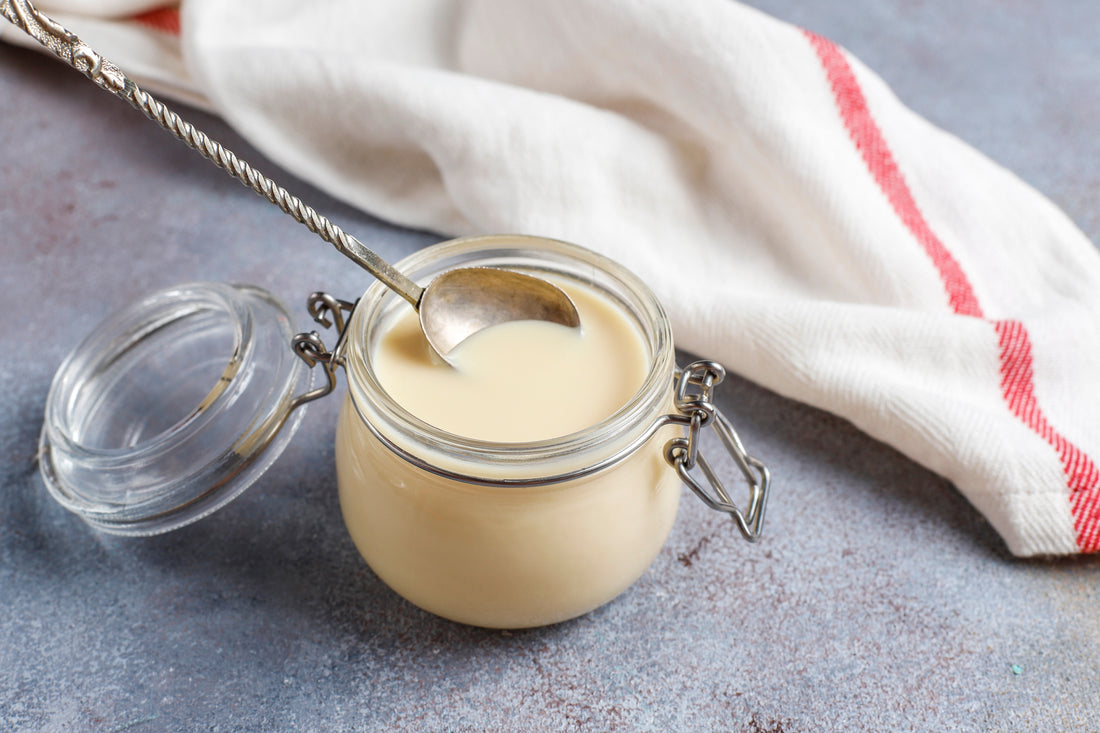
Concentrated Milk and Evaporators
Creating a smooth, uniform texture in fatty products such as cream and butter.

Prevention of Scaling
Scraped surface heat exchangers help prevent scaling by continuously removing deposits from heat transfer surfaces, ensuring efficient operation and consistent product quality.
Common Types and Designs of Scraped-Surface Heat Exchangers

Single-Cylinder/Single-Tube SSHEs
This is a common configuration where a single product tube is surrounded by a service fluid jacket. A central shaft rotates with blades that continuously scrape the inner surface of the product tube.
Ideal for: Smaller to medium capacities, highly viscous products, products with small to medium particulates.
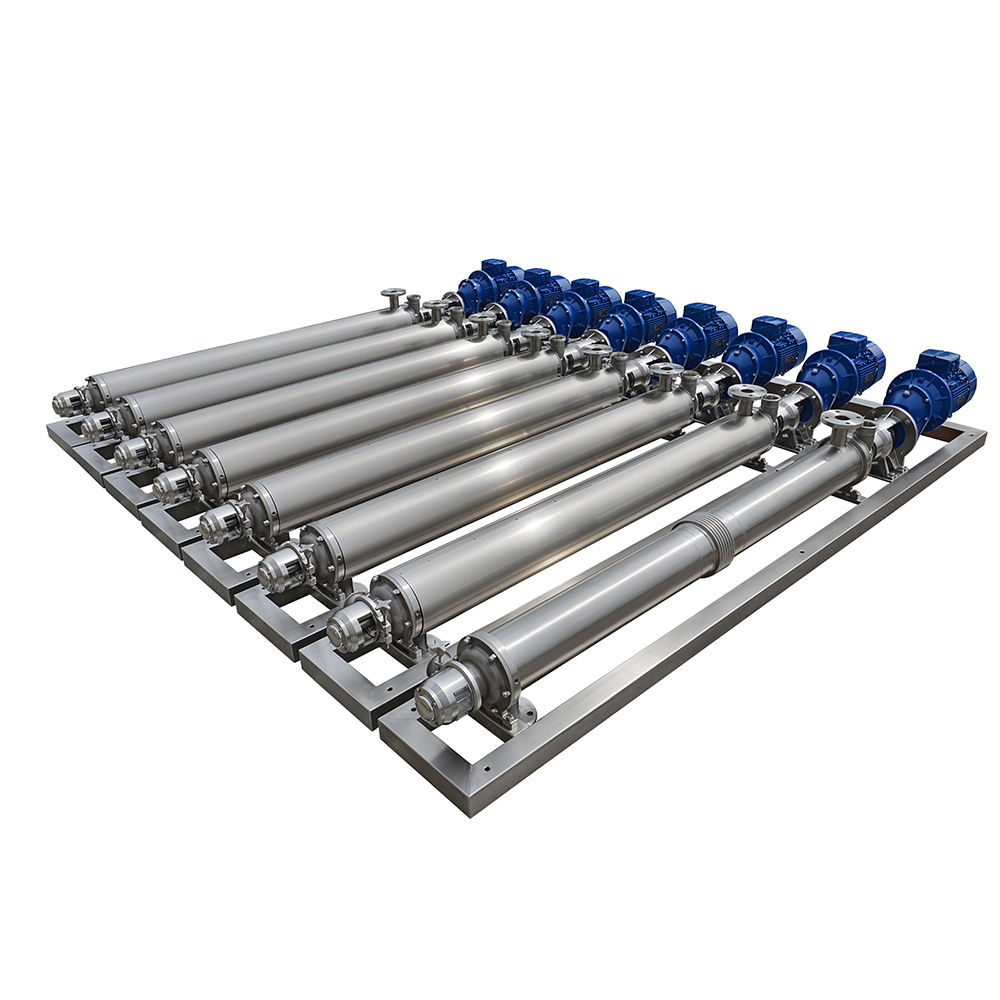
Multi-Cylinder/Multi-Tube SSHEs
These units feature multiple scraped cylinders (tubes) arranged in parallel within a single frame, increasing capacity. Each cylinder operates independently with its own scraping mechanism.
Ideal for: Higher capacities where processing larger volumes of challenging products is required.
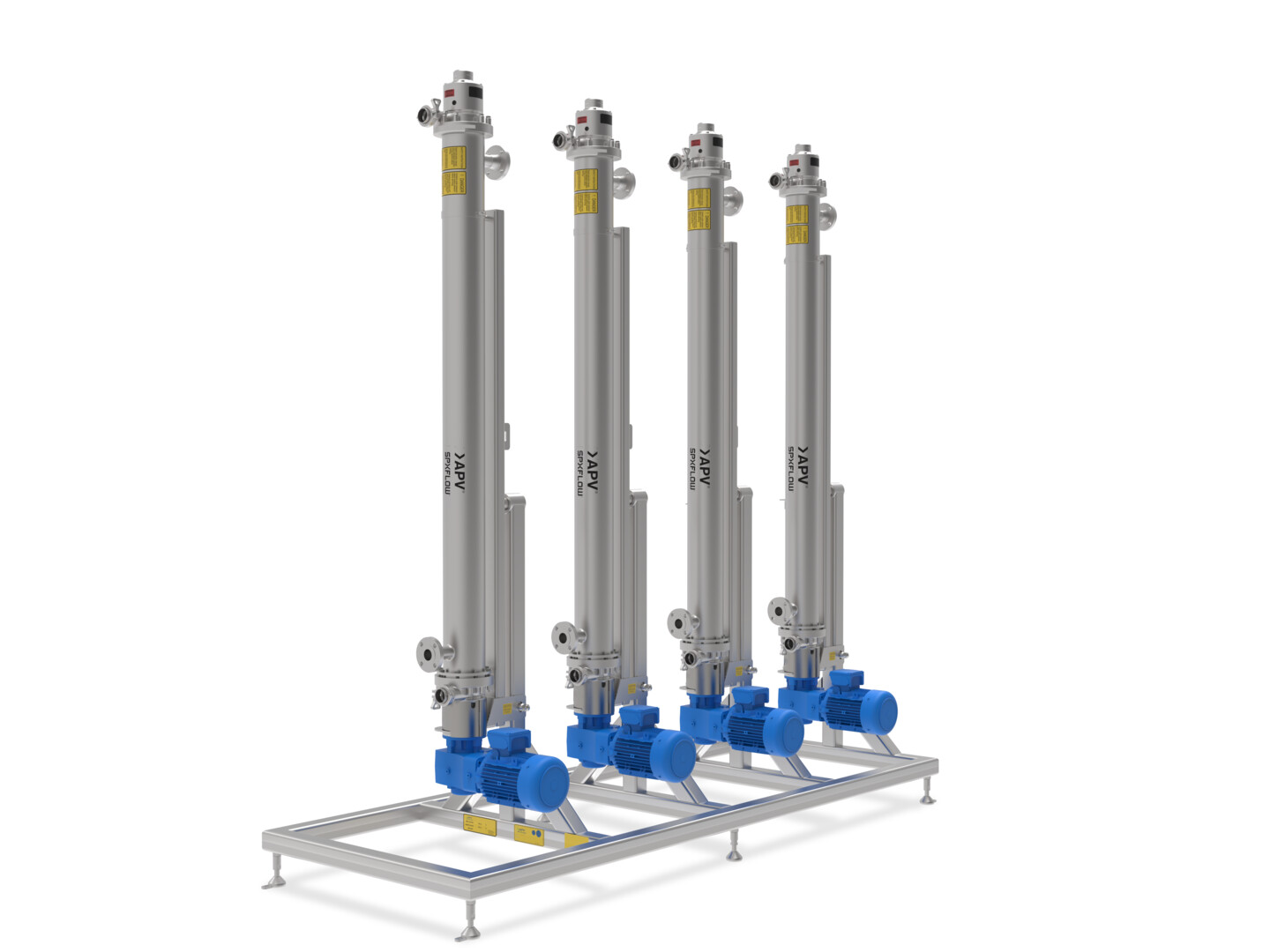
Vertical Scraped-Surface Heat Exchangers
In this design, the heat exchange cylinder is oriented vertically. This can be beneficial for certain product flows or where floor space is limited.
Ideal for: Products that benefit from gravity-assisted flow, or installations with vertical space constraints.
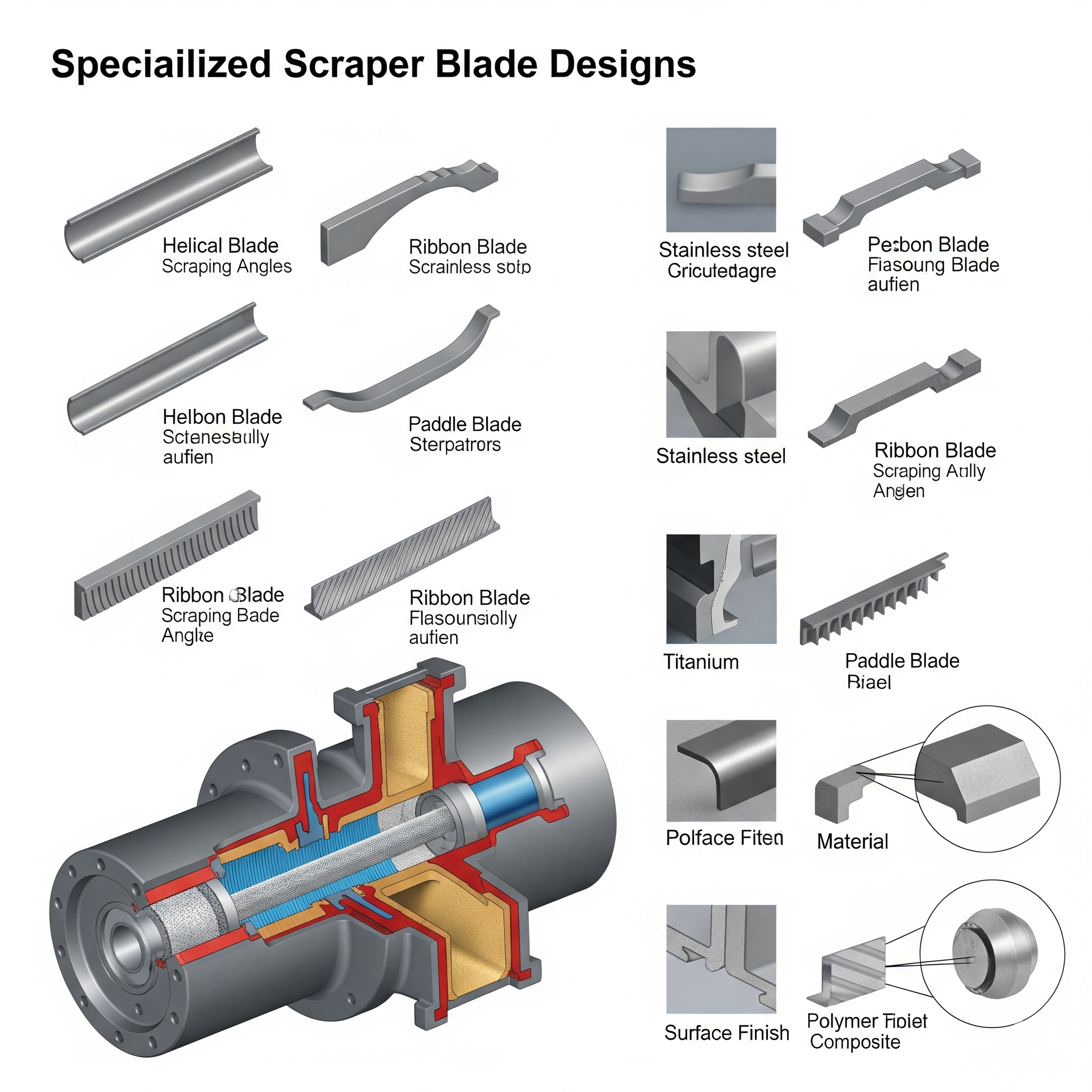
Specialized Scraper Blade Designs
The type and material of the scraper blades can vary significantly (e.g., plastic, metal, flexible, rigid, hinged) depending on the product’s abrasiveness, viscosity, and temperature.
Key Benefits of Scraped-Surface Heat Exchangers
- Prevents Fouling & Crystallization: Continuous scraping keeps the heat transfer surface clean, crucial for products like ice cream, sauces, and other items prone to solidifying.
- Handles High Viscosity: Effectively processes very thick or sticky products that are difficult to pump or transfer heat through with other exchangers.
- Processes Particulates: Handles products with delicate or abrasive particles without causing damage or blockages.
- Improved Product Quality: Gentle heat transfer maintains texture, flavor, and integrity of the product.
- Extended Run Times: Reduced fouling allows longer production runs and less frequent cleaning.
- Versatile Applications: Suitable for heating, cooling, pasteurization, sterilization, and crystallization.
Conclusion
Scraped-surface heat exchangers are essential in dairy and food industries, especially for high-viscosity and heat-sensitive products. By preventing material buildup and optimizing heat transfer, they increase production efficiency and improve overall product quality.