Tubular Heat Exchangers
“Efficient Heat Transfer for Dairy Processing”
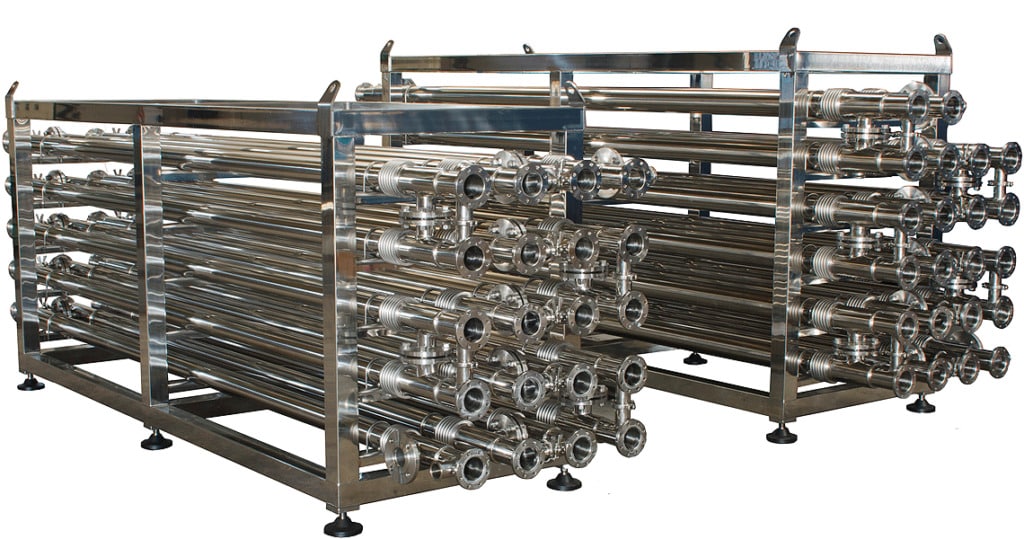
Tubular heat exchangers are essential components in the dairy industry, ensuring efficient heat transfer in processes such as pasteurization, sterilization, and thermal treatment of milk and dairy products. These systems optimize heat exchange between two fluids (liquid or gas) through stainless steel tubes, maintaining product quality while enhancing energy efficiency.

Applications in Dairy Processing
Milk Pasteurization
Rapid heating to eliminate harmful bacteria while preserving nutrients.
Sterilization
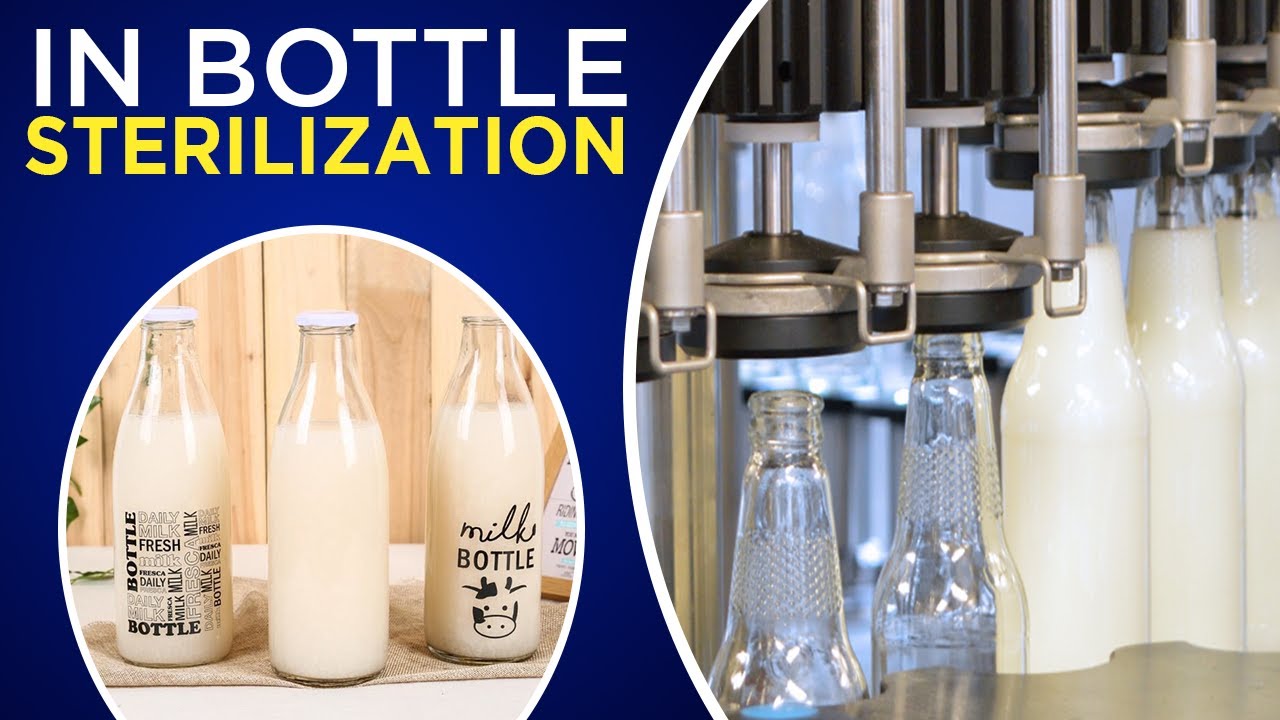
High-temperature treatment to increase shelf life and maintain product integrity.
Yogurt & Cheese Production
Precise temperature control during fermentation and processing.
Cream & Butter Processing
Ensures smooth texture and consistent quality.
Types of Tubular Heat Exchangers
Multi-Tube Heat Exchangers (Shell-and-Tube)
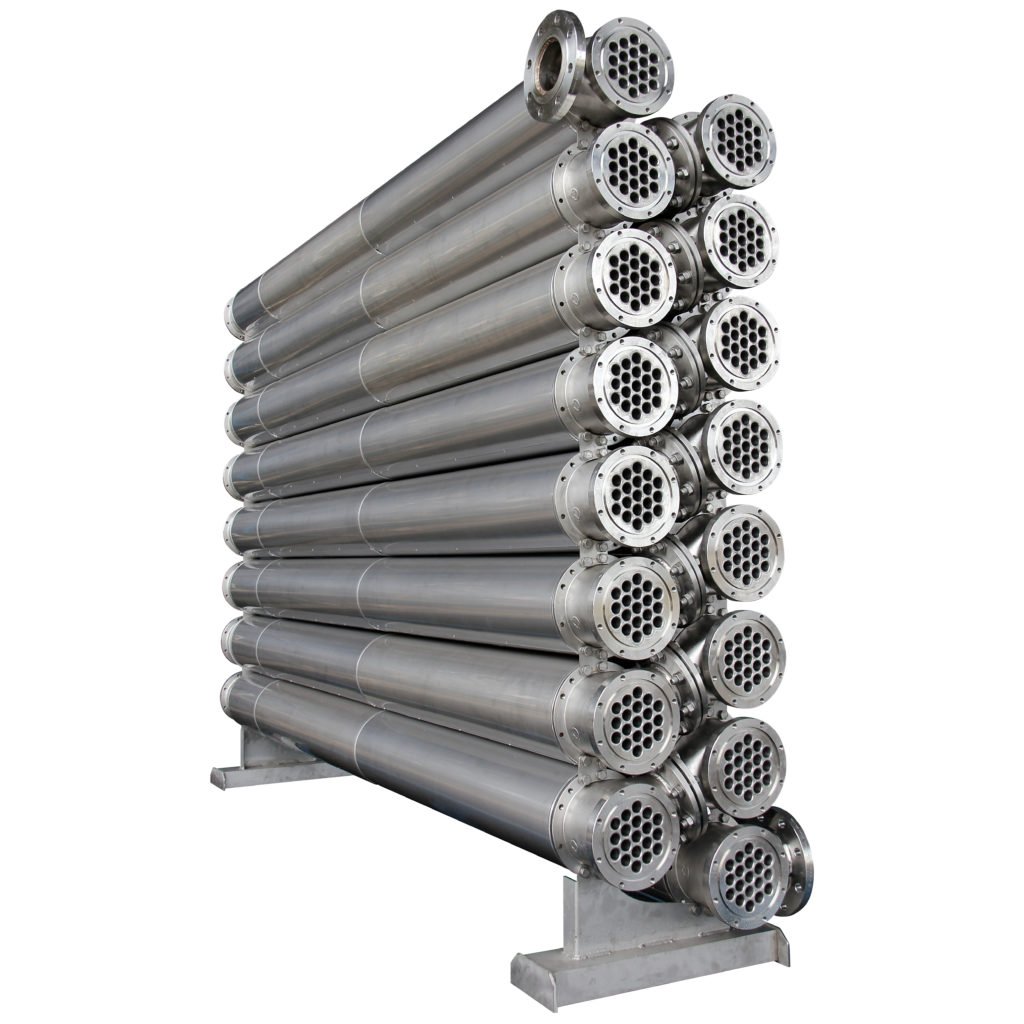
These are the most common type, featuring a bundle of small tubes placed inside a larger cylindrical shell. The product flows through the inner tubes, while the service fluid (heating or cooling medium) flows through the shell around the tubes.
Annular (Concentric Tube)
Heat Exchangers
An annular heat exchanger consists of two or more concentric tubes, forming an inner product channel and an outer service channel. This design provides a larger flow path for viscous products or those with particulates, ensuring less fouling and easier cleaning.
Corrugated Tube Heat Exchangers
These are a variation of multi-tube or annular designs where the inner tubes are corrugated (wavy). The corrugations create turbulence in the fluid flow, significantly enhancing heat transfer efficiency and reducing fouling.
Scraped Surface Heat Exchangers (Often Tubular in Core)
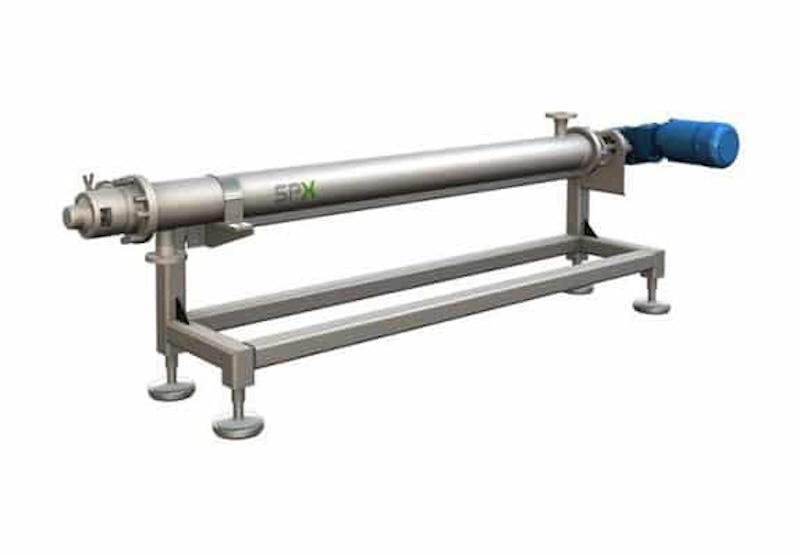
While distinct in their operation, many Scraped Surface Heat Exchangers use a tubular core. They feature a rotating shaft with blades that continuously scrape the inner surface of the heat transfer tube.
How Tubular Heat Exchangers Work
Tubular heat exchangers consist of multiple inner and outer tubes through which hot and cold fluids flow separately. As the hot fluid passes through the tubes, heat is transferred to the cold fluid, achieving precise temperature control. This process is widely used in milk pasteurization, cream processing, yogurt production, and other dairy applications to ensure food safety and extend shelf life.
Conclusion
Investing in a high-performance tubular heat exchanger ensures product safety, efficiency, and cost savings in dairy production. Designed for hygienic operation and long-term durability, these systems are a reliable choice for modern dairy facilities.