
♻️ Wastewater Management in the Dairy & Beverage Industry: Challenges & Sustainable Solutions
🧪 Introduction
The dairy and beverage industries are among the most water-intensive sectors in food processing. From equipment cleaning (CIP systems) to production lines and cooling processes, water is used at nearly every stage. As a result, significant volumes of wastewater are generated—often containing high levels of organic load (BOD, COD), fats, oils, sugars, proteins, detergents, and sanitizers.
With growing global emphasis on environmental sustainability, managing and treating this wastewater efficiently has become both a regulatory necessity and a business imperative.
💧 Characteristics of Dairy & Beverage Wastewater
- High BOD and COD: due to lactose, sugars, proteins, and organic content.
- pH fluctuations: from acidic juices to alkaline cleaning agents.
- Suspended solids and fats: especially in dairy wastewater.
- Large volumes: from rinsing, CIP, and production losses.
⚠️ Key Challenges
- Fluctuating wastewater quality due to production cycles
- High treatment costs (energy & chemicals)
- Strict regulatory compliance for discharge limits
- Odor issues and excess sludge generation
🌱 Sustainable Solutions & Best Practices
1) Water Minimization Strategies
- Dry cleaning before wet cleaning to reduce water use
- Reuse of final rinse water for pre-rinse
- Automation and IoT for CIP system monitoring
2) Primary Treatment
- Screening and filtration of large particles
- Dissolved Air Flotation (DAF) for oils and solids
3) Secondary Biological Treatment
- Anaerobic digestion (biogas recovery + BOD reduction)
- Activated sludge systems (effective but energy-intensive)
- Membrane bioreactors (MBRs) for high-quality effluent
4) Tertiary & Advanced Treatment
- UV disinfection, ozonation, or chlorination
- Ultrafiltration and Reverse Osmosis for water reuse
- Constructed wetlands for eco-friendly polishing
💡 Innovations in Monitoring & Automation
Modern dairy and beverage wastewater systems utilize:
- IoT sensors and SCADA for real-time monitoring
- Automated chemical dosing optimization
- Predictive maintenance and failure prevention
🏭 Case Study: Wastewater Reuse in a Dairy Plant
A major European dairy facility implemented anaerobic digestion + MBR:
- 95% reduction in BOD and COD
- 40% water reuse for cleaning
- 20% energy savings using biogas for boilers
📈 Conclusion
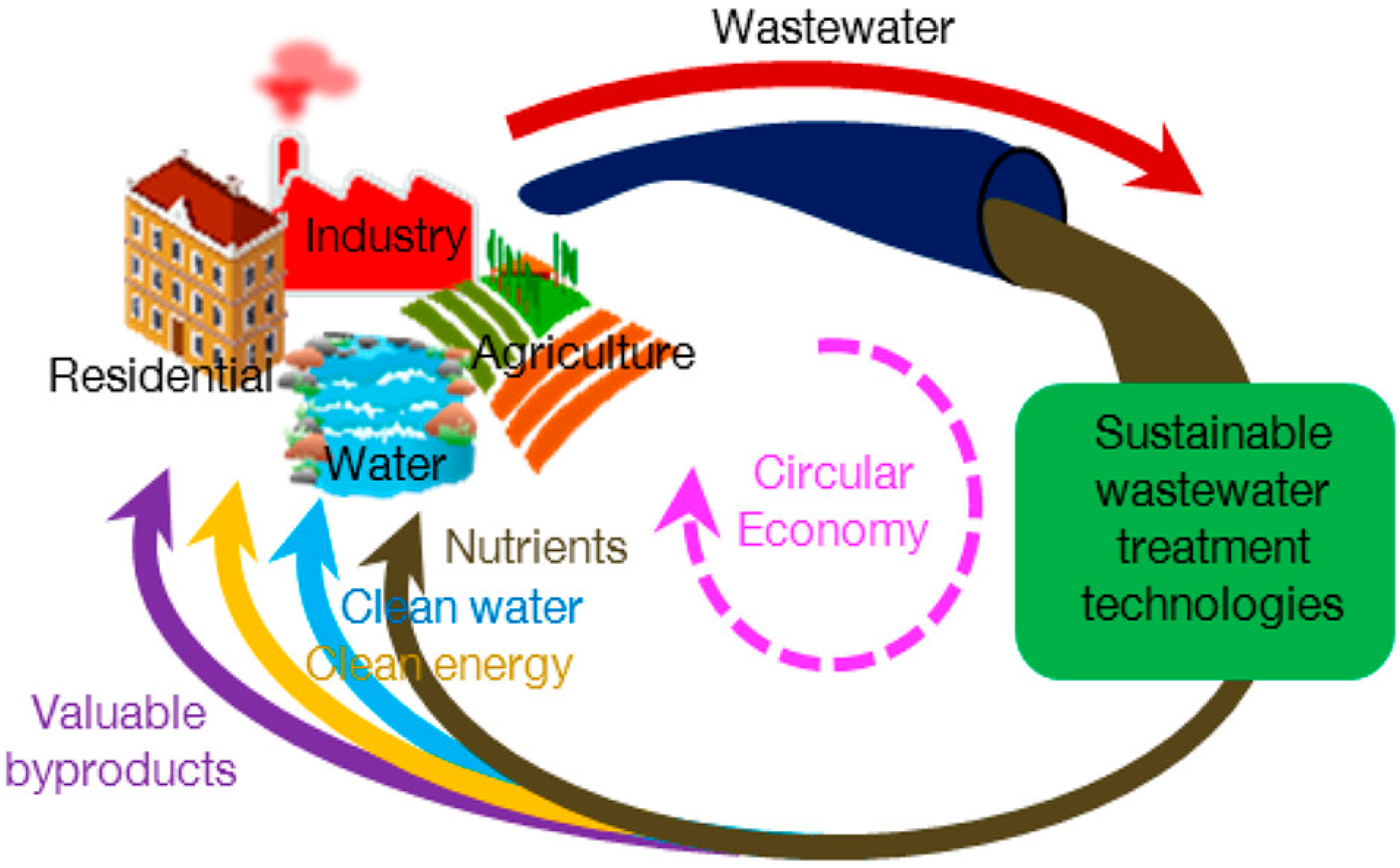
Wastewater is no longer a liability—it’s a resource. Through proper treatment technologies, the dairy and beverage industries can reduce environmental impact, lower operational costs, and recover valuable resources like water and energy.
How we can help
At LGN Group, we design and supply tailored wastewater solutions, including:
- UV disinfection systems (e.g., Wedeco)
- CIP optimization technologies
- DAF and advanced filtration/MBR solutions