
Articles
Industry Articles & Technical Insights
Welcome to our Articles section, your trusted resource for expert content on industrial automation, machinery solutions, and process optimization. Focused on the dairy, food, beverage, and cosmetic industries, our articles provide valuable insights for engineers, procurement professionals, and decision-makers. Stay informed with practical guides, maintenance tips, and the latest technology trends that help improve operational efficiency, reduce waste, and ensure compliance with modern standards.
Explore our articles below to discover tailored solutions for your industry challenges.
Trends in Dairy & Beverage Processing: Innovations Shaping the Industry
The dairy and beverage industry is constantly evolving, driven by advancements in technology, efficiency demands, and sustainability goals. In this article, we explore the latest trends shaping dairy and beverage processing, from automation to energy-efficient solutions.
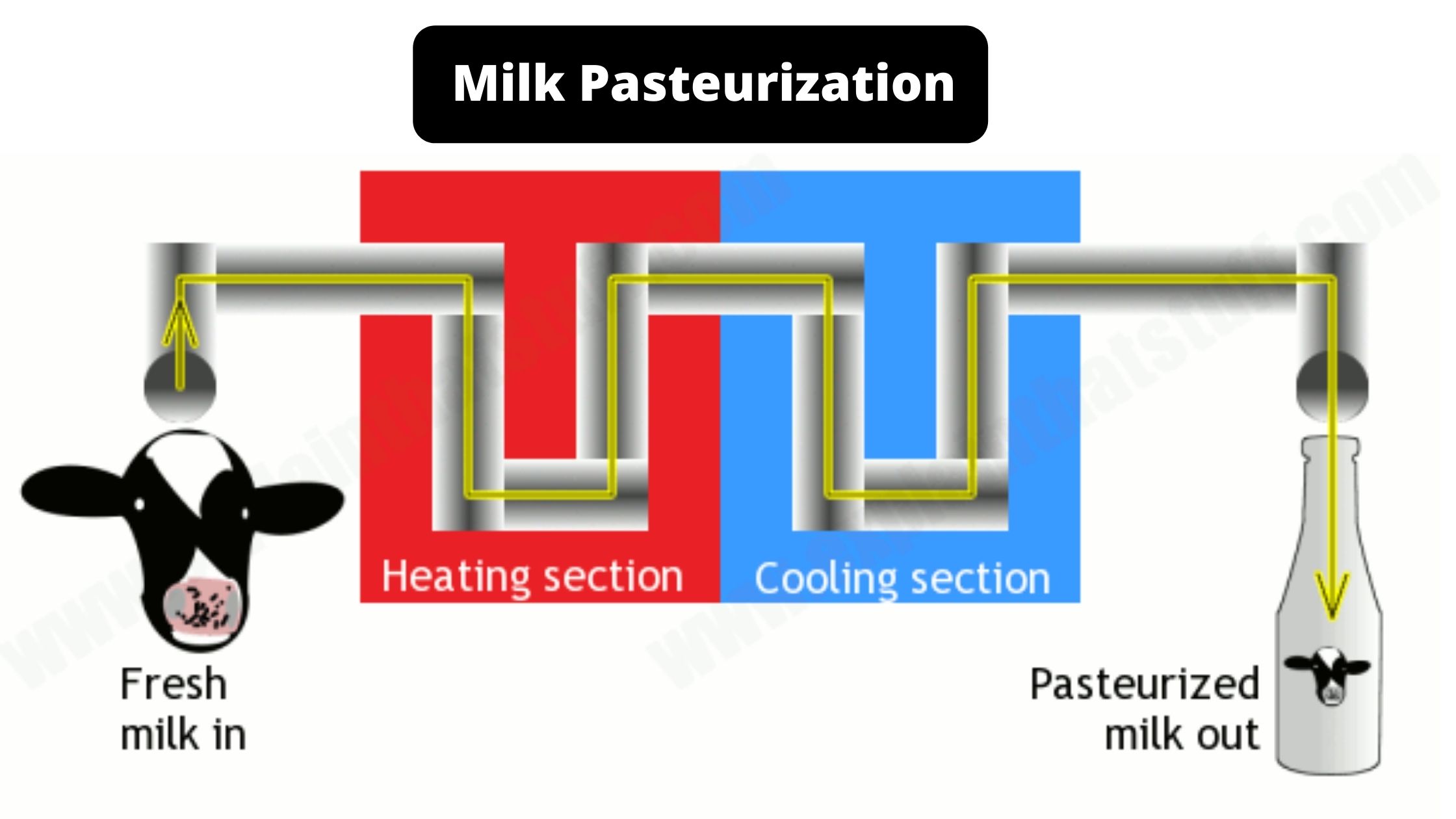
Pasteurization is a crucial process in the dairy and beverage industry, ensuring product safety and extending shelf life. In this article, we’ll explore how pasteurizers work, different types of pasteurization, and their benefits in modern food processing.

The Internet of Things (IoT) is revolutionizing the dairy and beverage industry by enabling real-time monitoring, predictive maintenance, and process optimization. With IoT technology, factories can improve efficiency, reduce costs, and ensure higher product quality.

Energy consumption is a major cost factor in the dairy and beverage industry. With increasing environmental regulations and rising energy prices, improving energy efficiency has become essential. This article explores strategies to reduce energy consumption while maintaining high production efficiency.
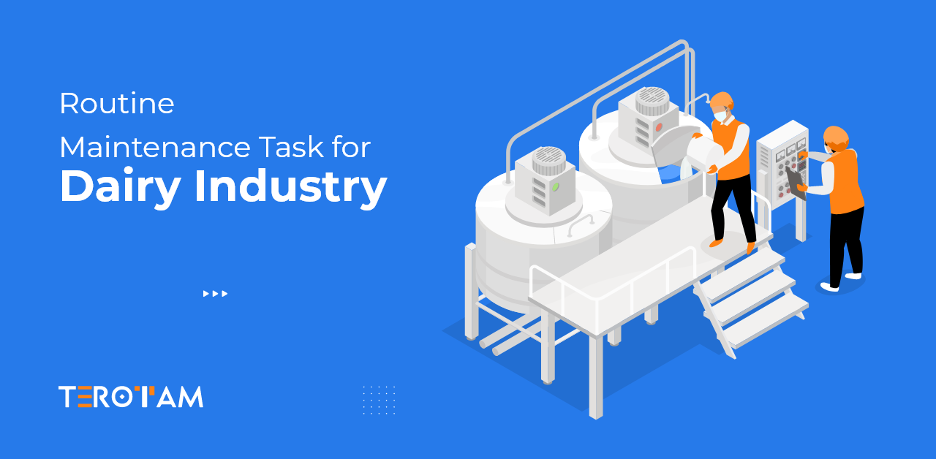
In the dairy and beverage industry, equipment reliability is crucial for maintaining product quality and operational efficiency. Implementing effective maintenance strategies ensures minimal downtime and extends the lifespan of machinery. This article explores best practices for maintaining processing equipment in this sector.
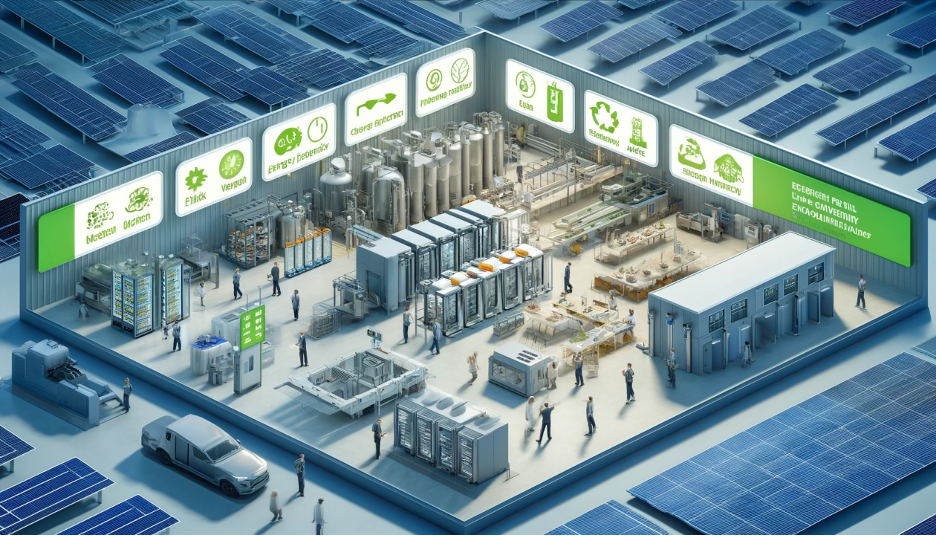
Energy efficiency is a key focus in the dairy and beverage industries due to increasing energy costs and sustainability concerns. Implementing energy-saving strategies and advanced technologies can significantly reduce operational expenses and environmental impact. This article explores practical solutions for optimizing energy use in dairy and beverage processing facilities.
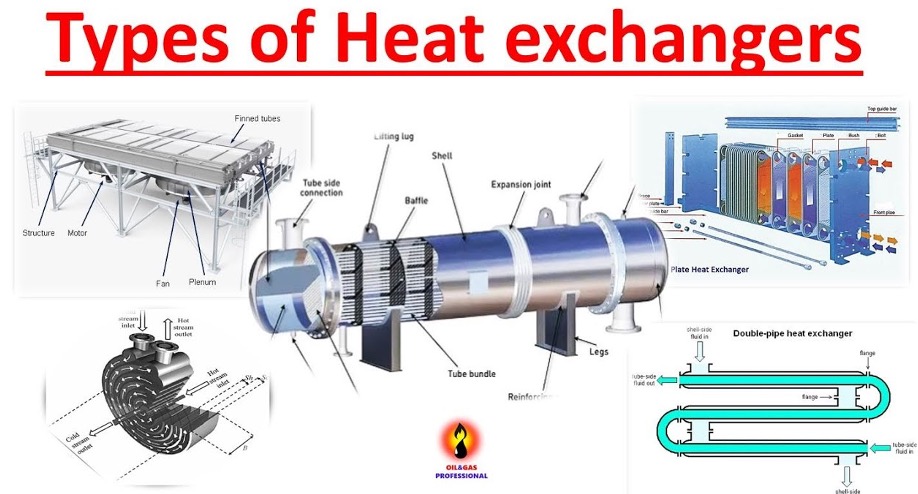
Heat exchangers play a crucial role in dairy and beverage processing, ensuring efficient heating and cooling while maintaining product quality. Choosing the right type is essential for energy efficiency, hygiene, and operational cost-effectiveness. This article compares plate, tubular, and shell-and-tube heat exchangers, highlighting their advantages and best-use cases.
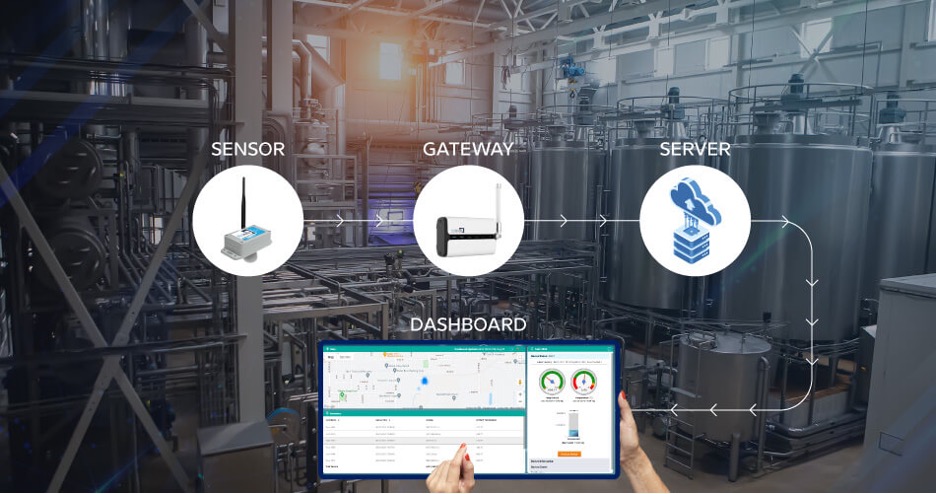
The dairy and beverage industry is increasingly turning to Internet of Things (IoT) technology to enhance efficiency, quality control, and sustainability. IoT allows manufacturers to monitor real-time data from their machines, optimize energy usage, and reduce waste. In this article, we’ll explore how IoT solutions are transforming dairy and beverage production.
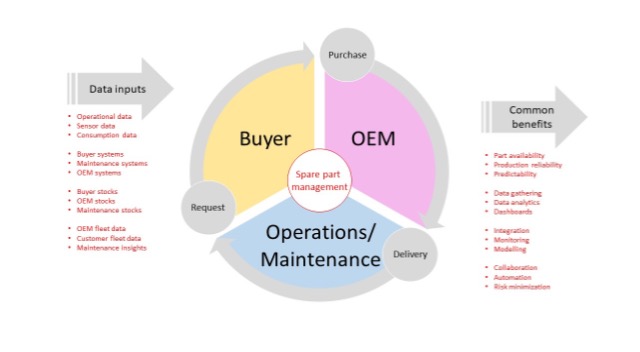
In the food, dairy, and beverage industries, machinery efficiency is crucial for maintaining high production standards, ensuring product quality, and meeting regulatory requirements. One critical aspect of equipment maintenance is the use of genuine spare parts. While cheaper, non-original alternatives might seem like a cost-saving solution, they often lead to increased long-term expenses, unexpected downtime, and compromised product quality.
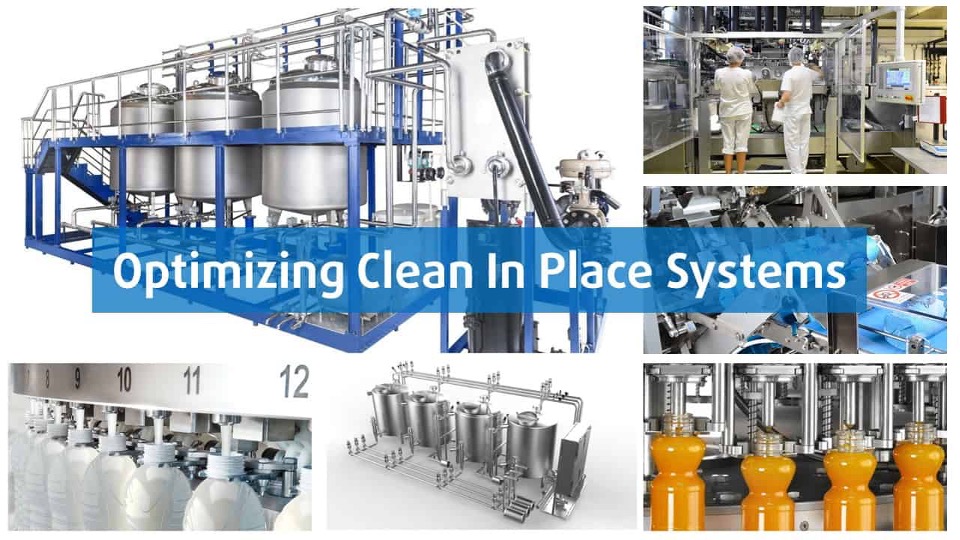
In the food, dairy, and beverage industries, hygiene is crucial not only for maintaining product quality but also for complying with strict safety and regulatory standards. One of the most effective ways to ensure sanitation is through the Clean-in-Place (CIP) system. However, even though CIP systems are designed to automatically clean and disinfect equipment without disassembling it, there are several ways to optimize the process for better hygiene and cost efficiency.
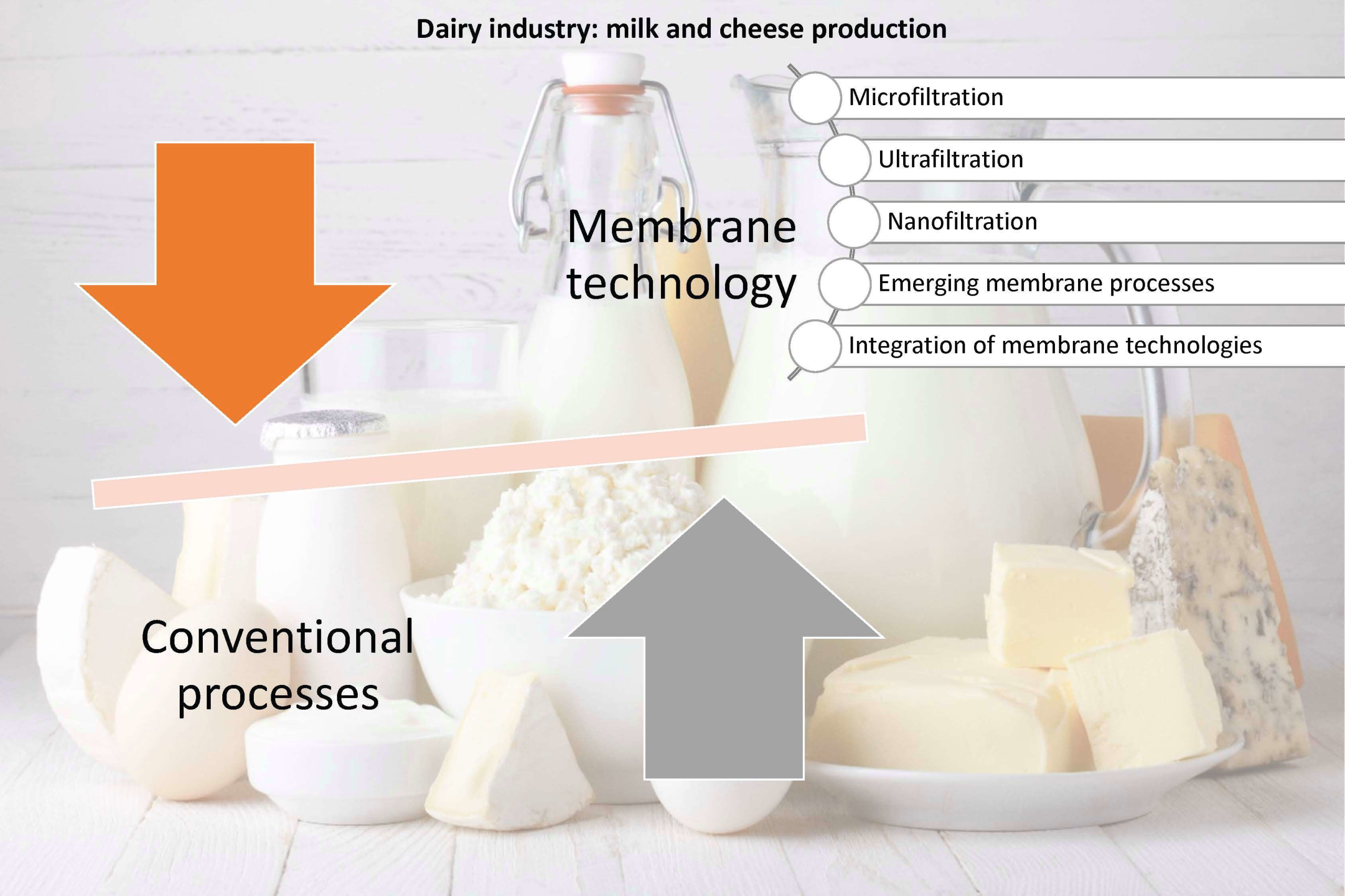
Advanced Filtration Methods in the Food, Beverage, and Dairy Industries
Filtration plays a crucial role in the food, beverage, and dairy industries by ensuring product purity, maintaining hygiene, and complying with regulatory standards. The right filtration technology helps remove contaminants, extend shelf life, and enhance product quality.
This article explores the key filtration methods used in these industries, with a focus on membrane filtration, sterile air filtration, steam filtration, and liquid filtration.
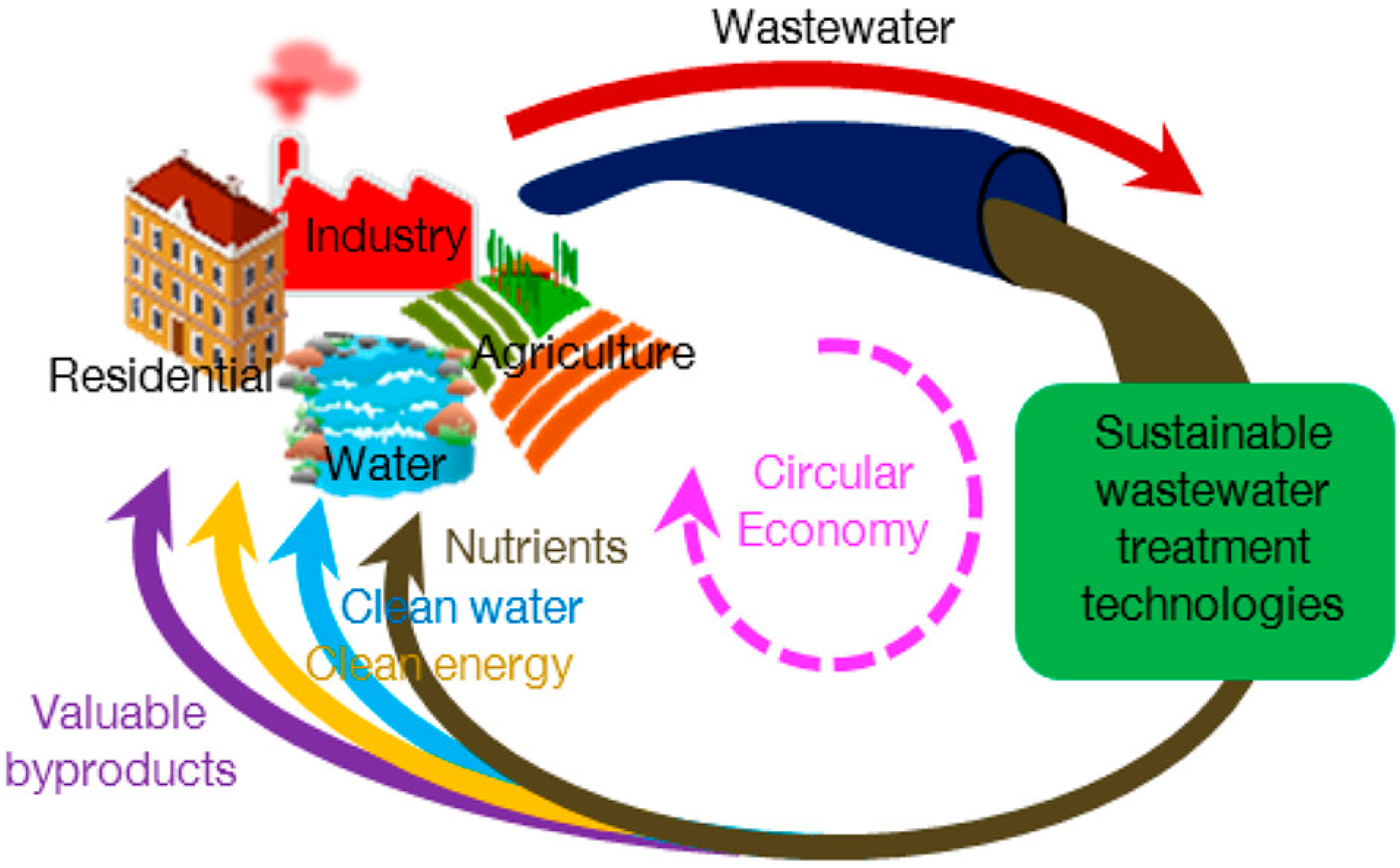
The dairy and beverage industries are among the most water-intensive sectors in food processing. From equipment cleaning (CIP systems) to production lines and cooling processes, water is used at nearly every stage. As a result, significant volumes of wastewater are generated—often containing high levels of organic load (BOD, COD), fats, oils, sugars, proteins, detergents, and sanitizers.
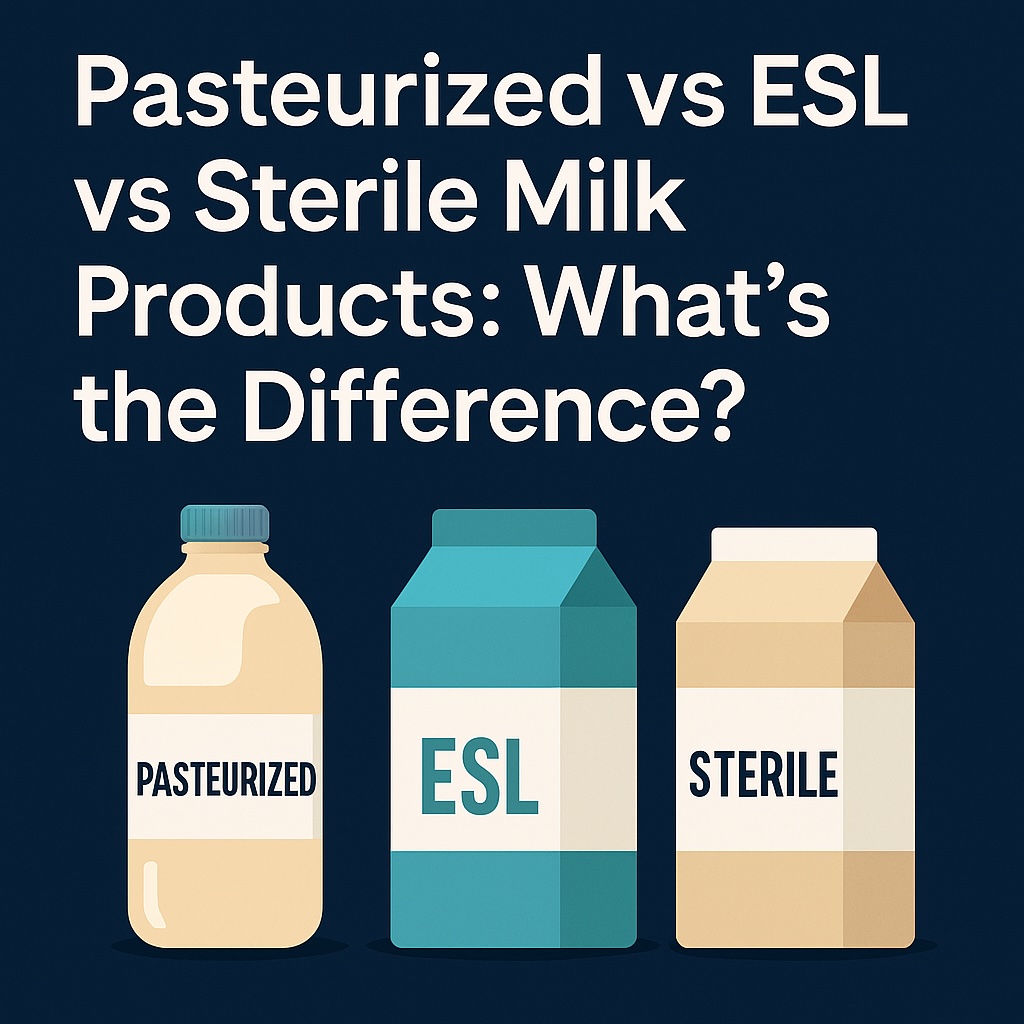
Dairy processors commonly use three main approaches to prepare liquid milk for consumer markets: pasteurisation, extended shelf-life (ESL) processing, and sterile or aseptic treatment (UHT or commercially sterile processing). While all three methods are designed to ensure product safety and extend shelf life, they differ considerably in terms of processing conditions, achievable shelf life, impact on taste and nutritional quality, and downstream logistics such as packaging, storage, and distribution. Understanding these differences is essential for producers when selecting the most appropriate technology based on market demands, infrastructure, and product positioning.
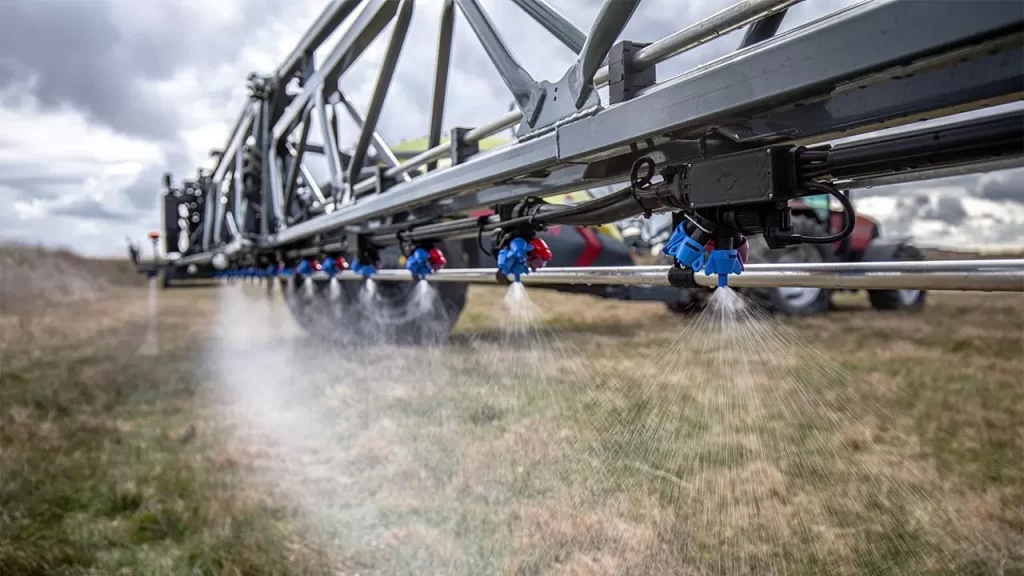
Delavan is one of the world’s leading and well-recognized manufacturers in the field of liquid spray systems and atomization solutions. With decades of experience in designing and producing precision nozzles and spraying systems, the company plays a key role in optimizing industrial processes across a wide range of industries.
Delavan products are widely used in the automotive, aerospace, energy, food and dairy, pharmaceutical, chemical, printing, and agricultural sectors. High accuracy, long service life, and reliability are among the main reasons Delavan is chosen by many manufacturers and process engineers worldwide.

GEA is one of the world’s most advanced manufacturers of process engineering, industrial machinery, and hygienic equipment for high-performance production lines.
From separators, decanters, homogenizers, heat exchangers, and pasteurizers to CIP/SIP systems, automation solutions, and turnkey processing plants; GEA technologies define global standards in efficiency, product safety, sustainability, and operational reliability.